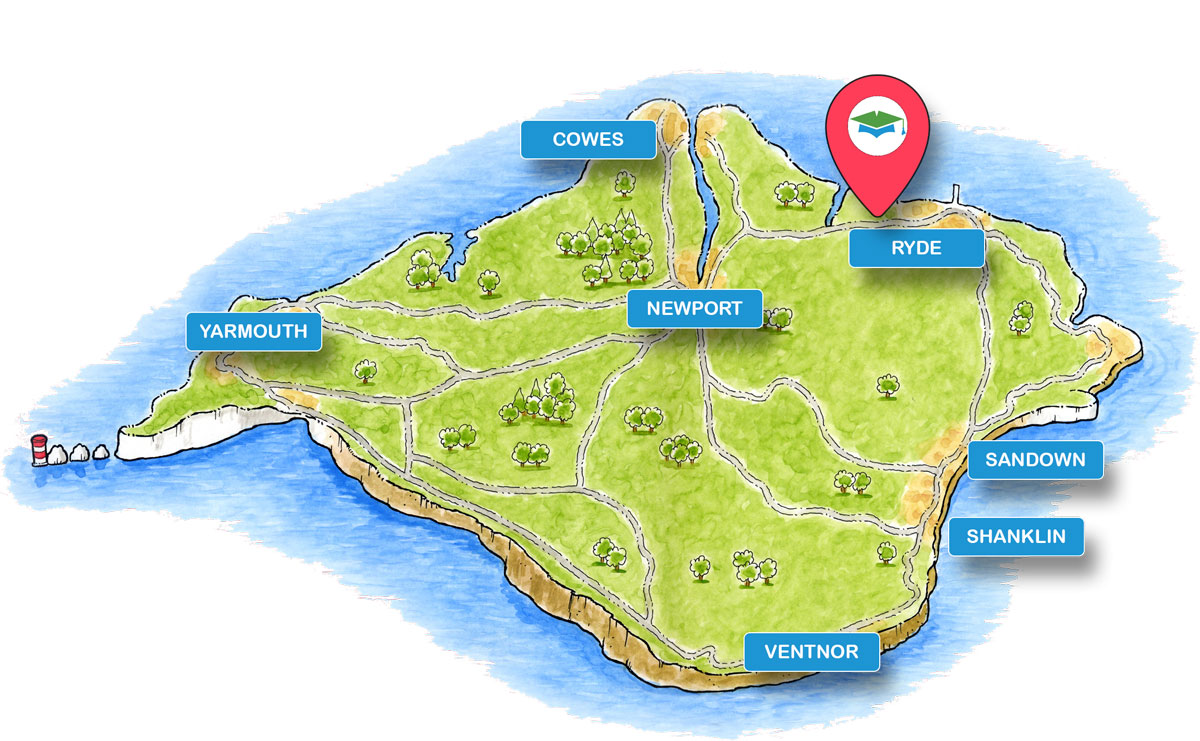
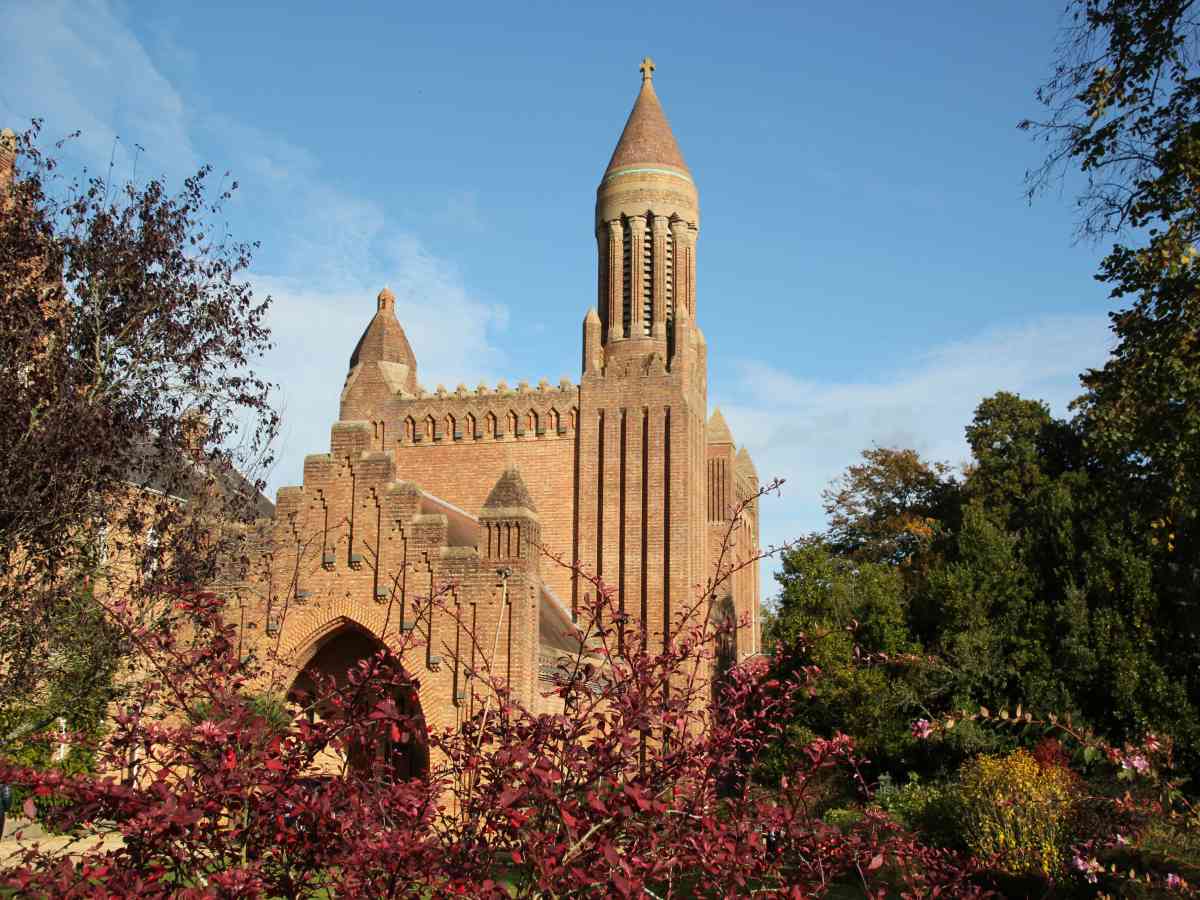
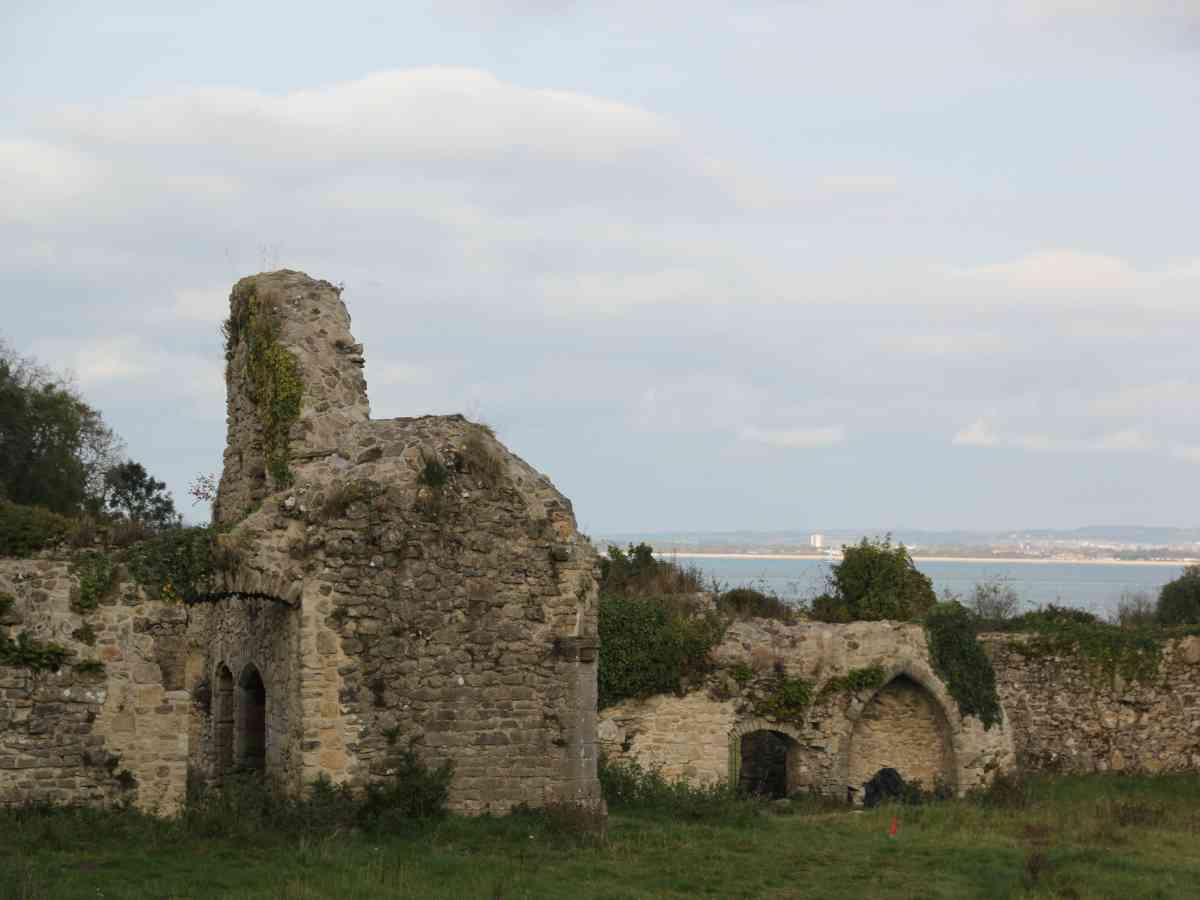
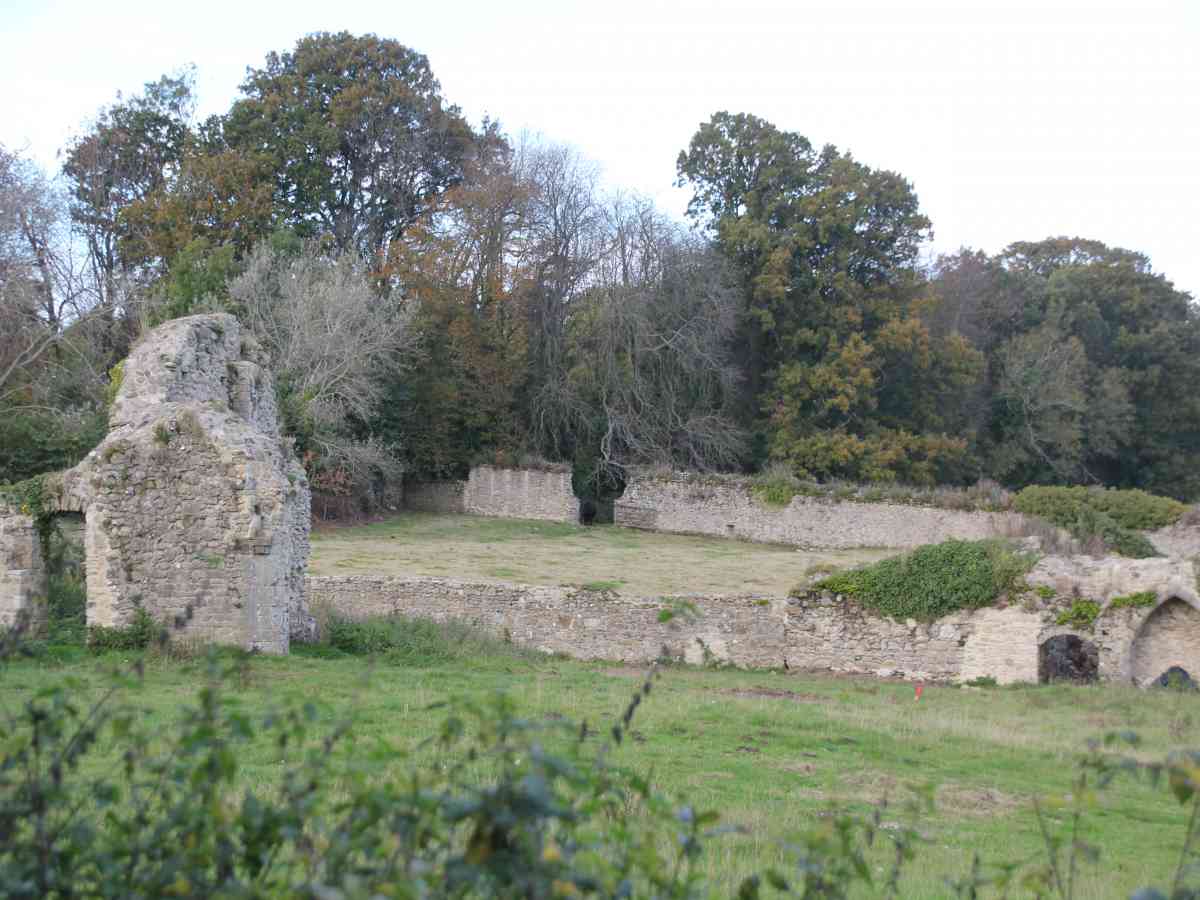
Nestled in a peaceful estate near Ryde, Quarr Abbey offers school groups a unique and multi-layered journey through time. As a working Benedictine monastery, it provides a rare opportunity for students to experience a living tradition of faith and self-sufficiency. For students, the contrast between the soaring 20th-century brick architecture and the weathered ruins of the original 12th-century abbey creates a powerful visual timeline, making it an ideal destination for those studying "Local History" and "Religion."
The site is a premier location for exploring the "Middle Ages" and the "Tudors." By wandering through the atmospheric ruins of the Cistercian abbey, students can imagine the daily routines of medieval monks. This learning is brought into sharp focus when discussing the "Reformation" and the Dissolution of the Monasteries under Henry VIII, which saw the original buildings dismantled. It is a poignant lesson in how national politics directly reshaped the landscape and communities of the Isle of Wight.
Beyond the history, the Abbey estate is a haven for "Animals, Habitats & Biodiversity." The woodland walks are one of the best places on the island to spot the elusive native Red Squirrel, offering a fantastic opportunity for students to practice quiet observation and learn about conservation. The monastery’s commitment to "Agriculture & Healthy Living" is also evident in its thriving allotments and heritage orchards, where pupils can see first-hand how the monks continue the ancient tradition of working the land to provide for their community.
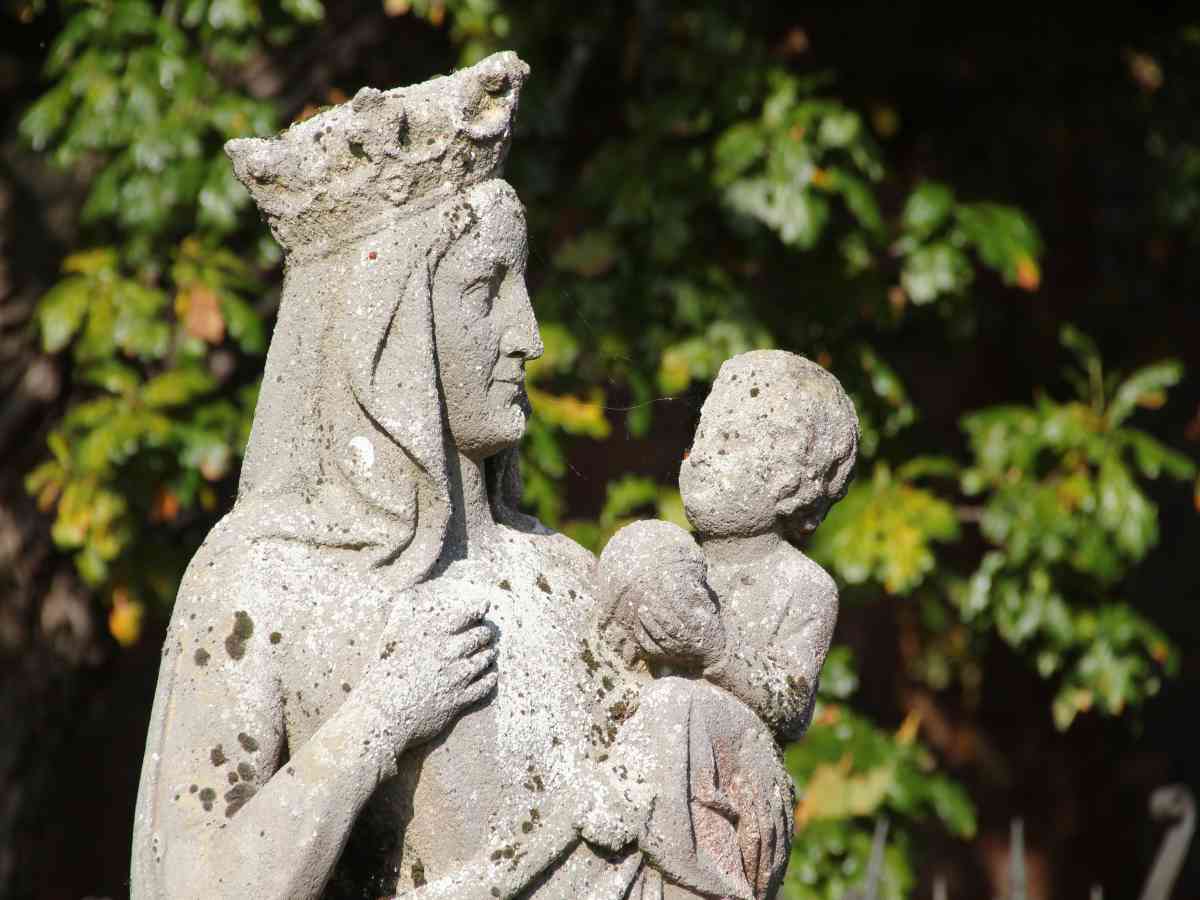
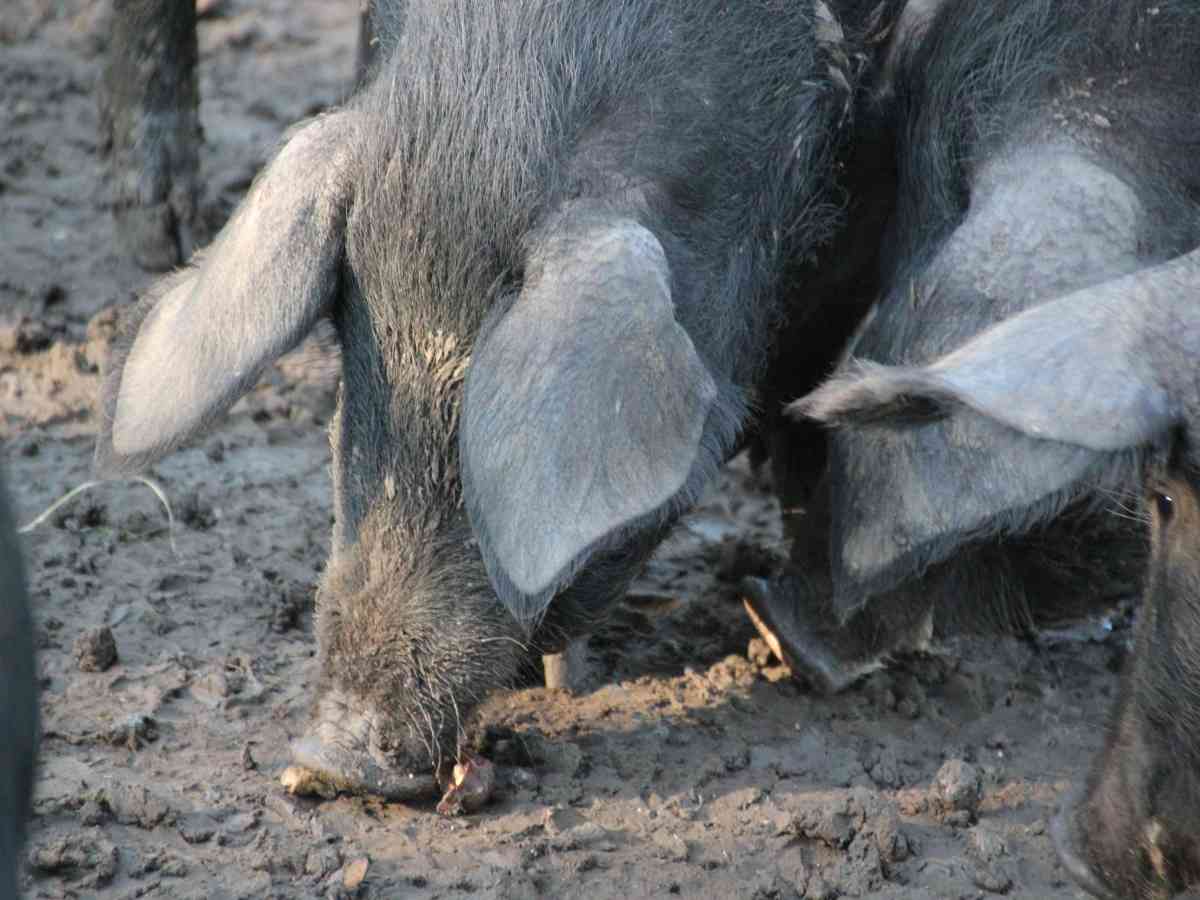
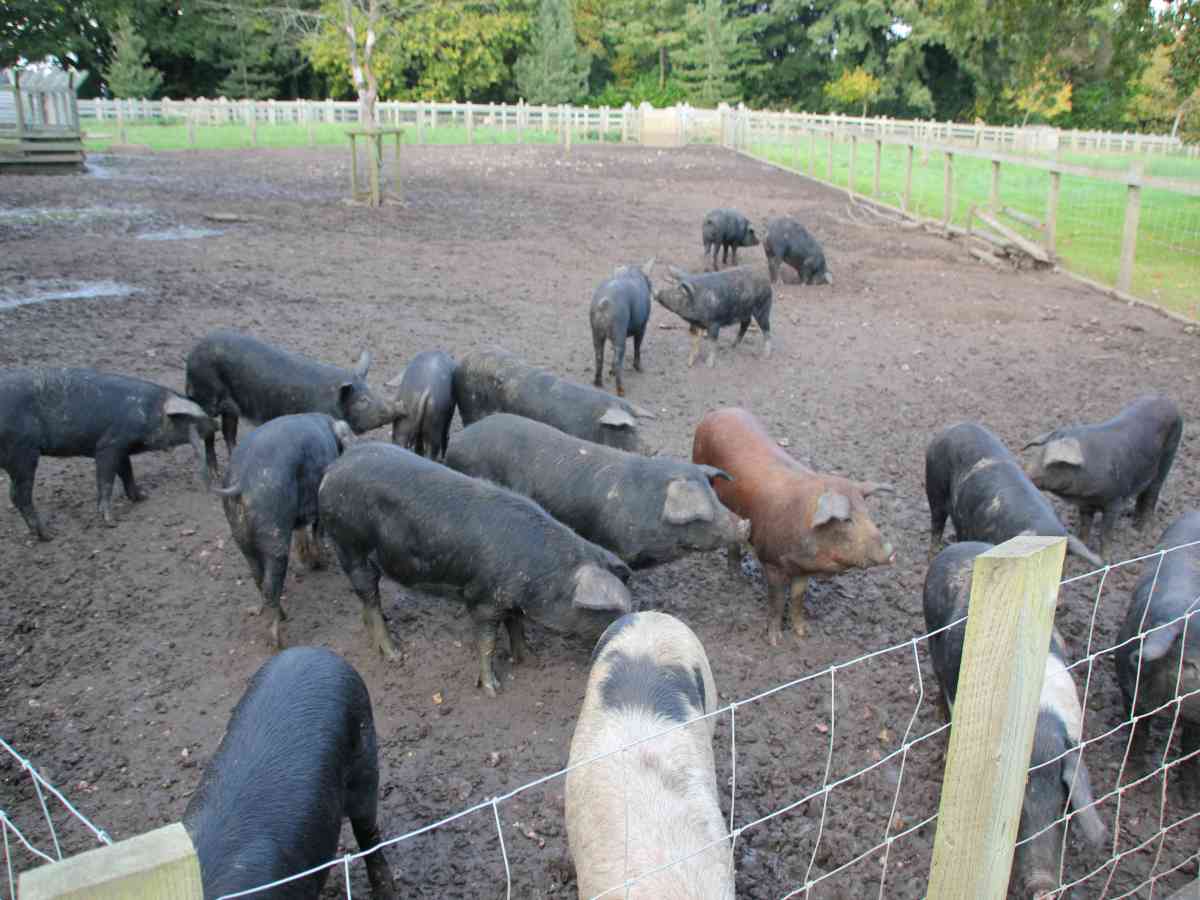
A visit to Quarr Abbey provides a calm and reflective interlude within a busy residential week. Whether students are identifying ancient stone carvings, feeding the resident pigs, or exploring the quiet beauty of the Abbey church, they are encouraged to engage with the world around them with curiosity and respect. With its blend of historic intrigue and natural beauty, the Abbey ensures that every young visitor leaves with a deeper understanding of the island’s spiritual and ecological heritage.